In perioada de 3-17 decembrie, miscarea internationala Amnesty International a organizat Maratonul Scrisorilor in legatura cu Ziua Internationala a Drepturilor Omului. 10 decembrie 1948 este o zi deosebita pentru toti aparatorii drepturilor omului, deoarece in aceasta zi a fost adoptata Declaratia Universala pentru Drepturile Omului in cadrul Organizatiei Natiunilor Unite. Acesta este primul document international care stipuleaza anumite standarde si incearca sa reglementeze si sa declare a valori de baza - drepturile omului.
Amnesty International Moldova a decis sa se alature si a pregatit 4 cazuri pentru care cetatenii moldoveni au scris scrisori. Oamenii au fost interesati de a adresa scrisori individuale unui lider dintr-un alt stat, acolo unde drepturile omului nu se respecta. Puteti si Dvs participa la scrierea scrisorilor personalizate accesind situl www.amnesty.md
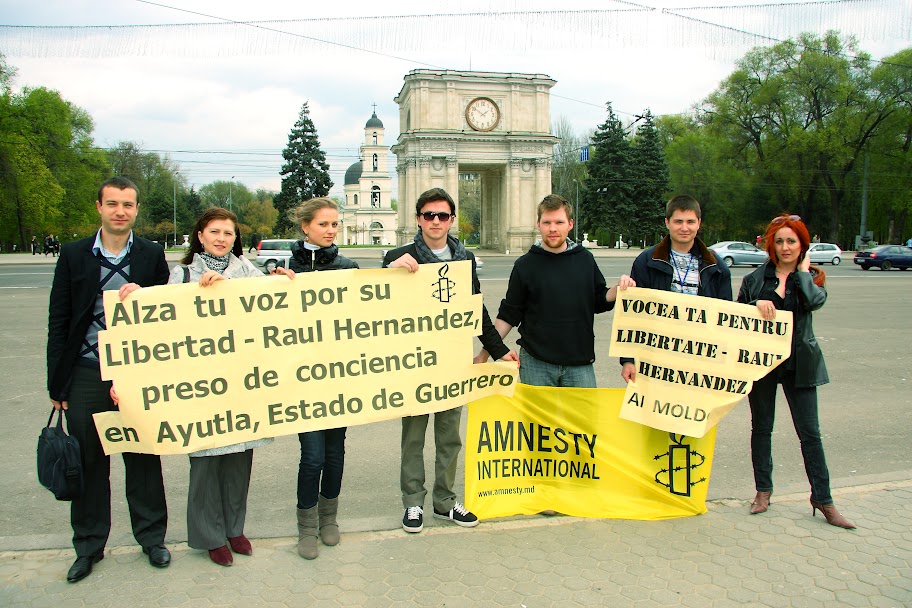
Deasemenea, organizatia noastra a fost sustinuta si de mai multe persoane cunoscute in Republica Moldova care au fost deacord sa pozeze cu un mesaj in miina pentru cauza drepturilor omului.
Expozitia de fotografii o puteti vedea la centrul comercial Malldova.
Monday, December 12, 2011

Monday, November 28, 2011
Tîrgul ONG-urilor la FRIȘPA

Deși este prima experiență a facultății de organizare a unui asemenea eveniment, totuși acțiunea s-a desfășurat cu succes, cu exceptia unor mici detalii tehnice. Studenții au primit informația dorită, obținînd posibilitatea de a discuta tet-a-tet cu reprezentanții ONG-urilor, de a-i întreba despre activitatea acestora în cadrul organizației, precum și despre necesitatea unor noi activiști care să promoveze numele instituției.
Amnesty International a fost reprezentat de către Gheorghe Rîciu și Ludmila Pruteanu, ambii studenți la această instituție. În timpul prezentării a fost oferită informația esențială despre apariția și activarea ONG-ului atît pe plan internațional cît și pe plan local. După prezentarea propriu-zisă a urmat runda de întrebări adresate către reprezentanți, printre care au fost: cum poți să devii membrul unei asemenea organizații, ce oferă organizația voluntarilor și activiștilor săi precum și despre care este cea mai recentă campaniei la care Amnesty International Moldova lucrează.
La finele activității, unii studenți s-a apropiat atît pentru a semna cererile de membru, cît și pentru a semna petiția pentru abolirea pedepsei cu moartea în Belarus.
Organizatorii au rămas mulțumiți de prezența noastră la acest tîrg și au promis că ne vor invita la următorul eveniment de acest fel care va avea loc în instituția sus menționată.
Gheorghe Rîciu
Thursday, September 22, 2011
21 Septembrie-Ziua internațională a Păcii


Pe 21 septembrie se serbează Ziua Internațională a Păcii, zi dedicată păcii mondiale, eliminării războaielor și cooperării între oameni.
Aceasta zi a fost infiițată pentru a promova pacea în lume și în casele noastre, pentru a pune capăt violenței din comunitătțle în care trăim și din școli. Aceasta zi se adresează fiecarui om de pe Pămînt, din toate sectoarele societății – autorități, instituții internaționale precum Națiunile Unite, organizații regionale, organizații neguvernamentale nonprofit și cetățenilor.
Din 2005, Ziua Internatională a Păcii capătă o nouă însemnătate – devine o zi în care încetează conflictele armate, focurile și violența timp de 24 de ore.
Dacă te întrebi de ce contează acesta ,,24 de ore,, află că:
• în 24 de ore pot fi trimise prozivii de alimente și medicamente victimelor și refugiaților din zonele de conflict în care în mod normal avioanele nu pot ajunge
• în 24 de ore milioane de copii din zonele de conflict pot fi vaccinați
• în 24 de ore pot fi mutate victimele de război și refugiații
• 24 de ore reprezintă un răgaz în care cei care luptă se pot gîndi la ceea ce fac și la victimele pe care le lasă în urmă
• sunt 24 de ore în care peste 100 de milioane de oameni din peste 100 de țări militează pentru același lucru
• 1 zi din 365 e un început bun
Voluntarii de la Centrul de drept Căușeni în colaborare cu Membrii Amnesty International Moldova au organizat o acțiune publică privitor la Ziua Internațională a Păcii,împărțind broșuri voluntarii au chemat cetățenii să își exprime opinia privitor la cuvîntul ,,pace,,.Spre mirarea noastră fiecare gîndește diferit ,dar totuși suntem uniți prin ceea ce facem.
O altă acțiune dedicată ,,Păcii,,a fost concursul de desene ,,Pacea văzută de copii,,unde au fost premiați cu cadouri și diplome
P.S Aduc mulțumiri voluntarilor care m-au ajutat și susținut și sper sa avem o colaborare fructoasa si frumoasă.
Coordonator-Voluntari- Centrul de drept Căușeni
Thursday, September 1, 2011
Școala de Vară Amnesty International Moldova 201

În perioada 22-25 august 2011, la Vadul lui Vodă, s-a desfășurat Școala de Vară organizată de către Amnesty International Moldova(AIM). Au participat 22 de studenți din toate universitățile Republicii Moldova, dintre care și câțiva lectori universitari.Timp de 4 zile, tinerii au fost bine-informați și inițiați în activitățile Amnesty International Moldova.
Agenda Școlii de Vară a fost complex, dar în același timp interesantă și plăcută. În prima zi de școală, tinerii au fost inițiați în activitatea AI, cunoscând istoria, misiunea, scopurile si metodele folosite de aceasta. În următoarele zile, la fel s-au cunoscut în detalii cu campaniile AI, au discutat despre problematica și mecanismele de protecție ale Drepturilor Omului. În fiecare zi erau prezenți la seminarele de instruire specialiști în domeniu, care își împărtășeau cu drag experiențele căpătate la AI.În ultima zi, participanții Școlii de Vară au organizat o acțiune publică, pe plaja Vadul lui Vodă.
Toate aceste cunoștințe în domeniul Drepturilor Omului au produs inițiativă în sufletul fiecărui voluntar, ca mai apoi să urmeze dorința de a crea grupuri de tineri plini de energie în fiecare universitate din Moldova. Tinerii sunt viitorul Țării, și cu cît mai mulți suntem, cu atât mai puternici devenim.
Participanții Școlii de Vară Amnesty International Moldova au rămas placut mulțumiți de experiența trăită și de noile cunoștințe acumulate. Iată cîteva impresii:
Adriana Ștefîrță : “Școala de Vara AIM a fost o experiență de neuitat! Practica în domeniul Drepturilor Omului a fost ceva extrem de util si sper ca lider de grup universitar sa fiu utilă și să pot mobiliza cît mai mulți colegi in numele acestei nobile misiuni -Promovarea și Apărarea Drepturilor Omului!”
Ion Botnaru : "Mi-a plăcut. Am făcut cunoştinţă cu oameni energici, dinamici şi motivaţi. Îndeosebi Lilia, pentru atitudinea respectuoasă faţă de fiecare dintre noi, şi Gheorghe, pentru faptul că este foarte bun la inimă. Am relatat colegilor de grupă despre aceasta, şi i-am interesat şi pe ei. Cred că este un început bun pentru o colaborare fructuoasă."
Anastasia Sacaliuc:"Școala de Vară Amnesty International a reprezentat pentru mine o nouă provocare,pe care am acceptat-o cu placere.Cele 4 zile petrecute împreună cu colegii,prietenii si noii lideri locali AIM au reprezentat o experiență unică,în urma căreia mi-am întărit convingerile si dorința de-a lupta mai departe pentru Respectarea Drepturilor Omului. Realizările si cunoștințele obținute în urma acestei Școli de Vară au fost pe măsura asteptărilor.Mii de mulțumiri celor care au făcut tot posibilul să ne simțim bine și să formăm o echipă solidă si prietenoasă."
Iulie Zaharco: “Aldous Leonard Huxley a spus: “Experienta nu este ceea ce i se întîmplă unui om.Ci este ceea ce face un om cu ceea ce i se întîmplă, luate la un loc.” Consider binevenită această maximă în contextul descrierii impresiilor de la Scoala de Vara AIM. Am avut parte de o adevărată experientă, deoarece am avut acea tangent dintre ceea ce mi se întîmplă si ceea ce făceam. Am trăit niște impresii foarte viu colorate.L-e mulțumesc celor care au organizat această Școală de Vară si tuturor celor cu care am lucrat si cu care ne-am distrat.”
Cu ocazia celei de-a 50-a aniversări a Amnesty International, participanții Școlii de Vară s-au unit forțele împotriva nedreptății și au ridicat un toast pentru libertate!
MARINA Coșciug
Saturday, July 30, 2011
Violenţa - ultimul refugiu al incompetenţei
"Non-violenţa conduce la cea mai înaltă moralitate, care reprezintă ţinta evoluţiei, pînă nu ne oprim din rănirea tuturor fiinţelor vii, suntem incă slabi". ( Thomas Edison)
Oamenii de artă, în rînd cu alţi actori ai societăţii contribuie la sensibilizarea publicului despre acel flagel ruşinos- " Violenţa în Familie".La data de 22 iulie în incinta Casei Raionale de Cultură din Căuşeni a avut loc spectacolul "Casa M", cu participarea actorilor "Centrului de Arte Coliseum", un spectacol document despre violenţa în familie, cu personaje reale, cu afirmaţii întru totul aşa cum au fost spuse sau scrise.
"Casa M" vine cu un strigăt, vine cu o problemă, vine cu un prim pas, pe lîngă lingă activităţile organelor de drept spre soluţionarea acestei ruşinoase, dar într-adevăr actuale probleme. Spectacolul este o realizare excelentă în stoparea violenţei de orice gen.
Post-vizionarea piesei a trezit dezbateri aprinse în sală, unde s-au identificat 2 tabere. Unii susţineau ideea relatată, ca fiind una relevantă, actuală şi bine pusă la punct, alţii ca fiind un "pozor" al nostru, ce trebuie ţinut în casă
Voluntarii Centrului de Drept Căuşeni (CDC), cît şi membrii Amnesty Căuşeni, au fost şi ei prezenţi în sală, susţinînd ideea teatrală, ca fiind una benefică şi necesară întregii societăţi.


Saturday, July 23, 2011
La multi ani,Amnesty International


La 28 mai 2011 organizaţia pentru apărarea drepturilor omului, Amnesty International Moldova a împlinit 50 ani de activitate.
Din partea noastră(membrilor) îi dorim Un Sincer La Mulţi Ani şi Noi Realizări
Amnesty International” – organizaţia apolitică independentă, care activeaza pentru apărarea şi conştientizarea drepturilor fundamentale ale omului formulate în Declaraţia Universală a Drepturilor Omului.
Amnesty International” a fost fondată în anul 1961 în Marea Britanie; la moment, în rîndurile membrilor săi se numără peste 3.000.000 de persoane în 160 de tări şi teritorii ale lumii. Organizaţia are statutul oficial de Consilier pentru Drepturile Omului pe lîngă ONU şi Consiliul Europei. În 1977 «Amnesty International» a fost onorată cu Premiul Nobel pentru Pace, iar în 1978 – Premiul ONU în domeniul drepturilor omului. «Amnesty International Moldova» a început activitatea sa în anul 1992.
avînd drept scop crearea unei lumi în care fiecare om va beneficia de toate drepturile stipulate în Declaraţia Universală a Drepturilor Omului şi alte standarde internaţionale din domeniul drepturilor omului.
Pentru atingerea scopului propus “Amnesty International Moldova” are sarcina de a întreprinde acţiuni orientate spre prevenirea şi încetarea gravelor încălcări ale drepturilor omului asupra inviolabilităţii fizice şi psihice, asupra libertăţii conştiinţei şi liberei exprimări, la libertatea faţă de discriminare în cadrul activităţii sale privind promovarea drepturilor omului.
Acum Amnesty International Moldova reprezintă una din cele mai mari organizaţii pentru apărarea drepturilor omului din ţară, care numără 450 de membri, de asemenea cîteva zeci de părtinitori şi voluntari – persoane de vîrstă, profesie, naţionalitate diferite care trăiesc în diferite colţuri ale ţării noastre. În Amnesty oricine poate participa la activităţi de apărarea drepturilor omului. Iar astăzi, încă o dată, ne adresăm tuturor persoanelor neîndiferente cu chemarea de a se alătura Amnesty International. Împreună noi putem schimba multe!
Thursday, June 24, 2010
Expoziţie Foto "OPRIŢI TORTURA ÎN REPUBLICA MOLDOVA"
Amnesty International Moldova are onoarea de a vă invita la lansarea Expoziţie Foto cu genericul "OPRIŢI TORTURA ÎN REPUBLICA MOLDOVA".
Vă aducem la cunoştinţă că lansarea expoziţitiei va fi însoţită de un FLASH-MOB unde aşteptăm participarea a unui număr cît mai mare de persoane.
Expoziţia Foto va reprezenta fotografii din diferite ţări cu mesaje de susţinere a victimelor torturii cît şi a persoanelor care luptă cu aceast fenomen. La deschidere sunt invitaţi înalţii oficiali ai ţării, printre care: Preşedintele Interimar al Republicii Moldova, Ministrul Justiţiei, Ministrul de Interne, Primarul de Chişinău şi alţii.
Vă invităm să fiţi parte atît la FLASH-MOB cît şi la expoziţia propriu-zisă.
CE: Expoziţie Foto "OPRIŢI TORTURA ÎN REPUBLICA MOLDOVA", precedată de Flash-Mob
UNDE: Intersecţia Străzilor Mitropolit G. Bănulescu Bodoni şi Ştefan cel Mare şi Sfînt (în spatele monumentului lui Ştefan cel Mare)
CÎND: Vineri, 25 iunie, ora 10.00
Vă mulţumim anticipat pentru participare,
Cu respect,
Echipa AIM

Vă aducem la cunoştinţă că lansarea expoziţitiei va fi însoţită de un FLASH-MOB unde aşteptăm participarea a unui număr cît mai mare de persoane.
Expoziţia Foto va reprezenta fotografii din diferite ţări cu mesaje de susţinere a victimelor torturii cît şi a persoanelor care luptă cu aceast fenomen. La deschidere sunt invitaţi înalţii oficiali ai ţării, printre care: Preşedintele Interimar al Republicii Moldova, Ministrul Justiţiei, Ministrul de Interne, Primarul de Chişinău şi alţii.
Vă invităm să fiţi parte atît la FLASH-MOB cît şi la expoziţia propriu-zisă.
CE: Expoziţie Foto "OPRIŢI TORTURA ÎN REPUBLICA MOLDOVA", precedată de Flash-Mob
UNDE: Intersecţia Străzilor Mitropolit G. Bănulescu Bodoni şi Ştefan cel Mare şi Sfînt (în spatele monumentului lui Ştefan cel Mare)
CÎND: Vineri, 25 iunie, ora 10.00
Vă mulţumim anticipat pentru participare,
Cu respect,
Echipa AIM
Friday, May 21, 2010

Wednesday, April 28, 2010
Moldova: Drepturile LGBT trebuie să fie respectate după ce marşul pentru egalitate a fost interzis
AMNESTY INTERNATIONAL
Comunicat de presă
28 aprilie 2010
Amnesty International a condamnat azi decizia Curţii de Apel de a interzice minorităţilor sexuale desfăşurarea unui marş antidiscriminare, din motive ce ţin de „securitate şi îngrijorări morale ale publicului”.
Activiştii pentru drepturile lesbienilor, gay-ilor, bisexualilor şi transsexualilor planificau să se întrunească duminică la o manifestaţie paşnică în Chişinău şi să ceară perfecţionarea legislaţiei anti-discriminatoare în Moldova.
Primăria de la Chişinău a depus o cerere de a interzice desfăşurarea marşului. Aceasta fiind reacţia autorităţilor la numeroasele petiţii parvenite din partea mai multor asociaţii religioase şi anti-LGBT. Totodată, acestor grupuri le-a fost permisă organizarea unei contramanifestaţii în acceaşi zi..
“Este cu adevărat grotesc să se interzică persoanelor şi grupurilor să desfăşoare marşuri în favoarea egalităţii şi respectării drepturilor omului ” a declarat John Dalhuisen, expertul Amnesty International în discriminari din Europa.
"Între timp, cei ce urmăresc scopul să semene dezbinare şi prejudiciu, le este permis să celebreze restricţia reuşită a libertăţii a altor oameni, întrunindu-se în Piaţa Marii Adunări Naţionale din Chişinău”.
Curtea de Apel din Chişinău a refuzat să permită demonstranţilor pentru egalitate să se întrunească în Piaţa Marii Adunării Naţionale – piaţa principală din Chişinău, unde au loc cele mai importante evenimentele publice.
În schimb, Curtea a permis desfăşurarea manifestaţiei într-un parc izolat, departe de centrul municipiului Chişinău.
GenderDoc-M, asociaţia care a planificat organizarea marşului, urmează să fac un apel la Curtea Supremă de Justiţie.
“Îngrijorările morale ale publicului nu pot fi folosite niciodată pentru a justifica restricţiile asupra libertăţii de expresie a persoanelor LGBT," a menţionat John Dalhuisen”.
"Răspunsul corect la ameninţările din partea contramanifestanţilor nu este de a ceda în faţa cerinţelor acestora, dar de a păzi ordinea publică, încât cei care exercită legal dreptul lor la libertatea de expresie să facă asta în securitate şi cu demnitate.”
Amnesty International solicită autorităţilor Primăriei municipiului Chişinău şi autorităţilor moldave, să asigure ca marşul planificat de activiştii pentru drepturile LGBT pentru data de 2 mai, să se desfăşoare în piaţa principală a municipiului Chişinău, cu toate aranjamentele de securitate necesare.
“De mai mulţi ani, activiştilor LGBT li s-a lezat dreptul de a organiza evenimente publice, ori, dacă le-au desfăşurat, aceştia s-au confruntat cu numeroase perturbări şi violenţe," a menţionat John Dalhuisen.
"Multitudinea de violări groaznice ale drepturilor membrilor LGBT din Moldova trebuie să înceteze. Autorităţile din Republica Moldova au şansa de a stopa aceste încălcări chiar sâmbăta aceasta şi nu trebuie să o rateze.”
Informaţii suplimentare
Potrivit legislaţiei internaţionale pentru drepturile omului libertatea de expresie şi întruniri se extinde către toate grupurile, inclusiv şi către LGBT. Drepturile acestora se muşamalizează, iar viziunile lor sunt şocante şi jignitoare pentru alţi membri ai societăţii.
De asemenea, standardele legislaţiei internaţionale pentru drepturile omului obligă ţările să-i protejeze pe cei ce au scopul de a-şi exercita în mod paşnic drepturile lor la libertatea de exprimare şi de întruniri, de la ameninţări cu violenţă sau perturbări.
Comunicat de presă
28 aprilie 2010
Amnesty International a condamnat azi decizia Curţii de Apel de a interzice minorităţilor sexuale desfăşurarea unui marş antidiscriminare, din motive ce ţin de „securitate şi îngrijorări morale ale publicului”.
Activiştii pentru drepturile lesbienilor, gay-ilor, bisexualilor şi transsexualilor planificau să se întrunească duminică la o manifestaţie paşnică în Chişinău şi să ceară perfecţionarea legislaţiei anti-discriminatoare în Moldova.
Primăria de la Chişinău a depus o cerere de a interzice desfăşurarea marşului. Aceasta fiind reacţia autorităţilor la numeroasele petiţii parvenite din partea mai multor asociaţii religioase şi anti-LGBT. Totodată, acestor grupuri le-a fost permisă organizarea unei contramanifestaţii în acceaşi zi..
“Este cu adevărat grotesc să se interzică persoanelor şi grupurilor să desfăşoare marşuri în favoarea egalităţii şi respectării drepturilor omului ” a declarat John Dalhuisen, expertul Amnesty International în discriminari din Europa.
"Între timp, cei ce urmăresc scopul să semene dezbinare şi prejudiciu, le este permis să celebreze restricţia reuşită a libertăţii a altor oameni, întrunindu-se în Piaţa Marii Adunări Naţionale din Chişinău”.
Curtea de Apel din Chişinău a refuzat să permită demonstranţilor pentru egalitate să se întrunească în Piaţa Marii Adunării Naţionale – piaţa principală din Chişinău, unde au loc cele mai importante evenimentele publice.
În schimb, Curtea a permis desfăşurarea manifestaţiei într-un parc izolat, departe de centrul municipiului Chişinău.
GenderDoc-M, asociaţia care a planificat organizarea marşului, urmează să fac un apel la Curtea Supremă de Justiţie.
“Îngrijorările morale ale publicului nu pot fi folosite niciodată pentru a justifica restricţiile asupra libertăţii de expresie a persoanelor LGBT," a menţionat John Dalhuisen”.
"Răspunsul corect la ameninţările din partea contramanifestanţilor nu este de a ceda în faţa cerinţelor acestora, dar de a păzi ordinea publică, încât cei care exercită legal dreptul lor la libertatea de expresie să facă asta în securitate şi cu demnitate.”
Amnesty International solicită autorităţilor Primăriei municipiului Chişinău şi autorităţilor moldave, să asigure ca marşul planificat de activiştii pentru drepturile LGBT pentru data de 2 mai, să se desfăşoare în piaţa principală a municipiului Chişinău, cu toate aranjamentele de securitate necesare.
“De mai mulţi ani, activiştilor LGBT li s-a lezat dreptul de a organiza evenimente publice, ori, dacă le-au desfăşurat, aceştia s-au confruntat cu numeroase perturbări şi violenţe," a menţionat John Dalhuisen.
"Multitudinea de violări groaznice ale drepturilor membrilor LGBT din Moldova trebuie să înceteze. Autorităţile din Republica Moldova au şansa de a stopa aceste încălcări chiar sâmbăta aceasta şi nu trebuie să o rateze.”
Informaţii suplimentare
Potrivit legislaţiei internaţionale pentru drepturile omului libertatea de expresie şi întruniri se extinde către toate grupurile, inclusiv şi către LGBT. Drepturile acestora se muşamalizează, iar viziunile lor sunt şocante şi jignitoare pentru alţi membri ai societăţii.
De asemenea, standardele legislaţiei internaţionale pentru drepturile omului obligă ţările să-i protejeze pe cei ce au scopul de a-şi exercita în mod paşnic drepturile lor la libertatea de exprimare şi de întruniri, de la ameninţări cu violenţă sau perturbări.
Wednesday, April 7, 2010
7th of April Action
This was an action organized by AI Moldova to show our support for the victims of torture of the April events of 2009.
We collected signatures that were addressed to the authorities of Moldova and required the impartial and independent investigation of all the torture cases. Another petition was on an international case, as usual.
Here are some photos. © Copyright Julia Marcinschi
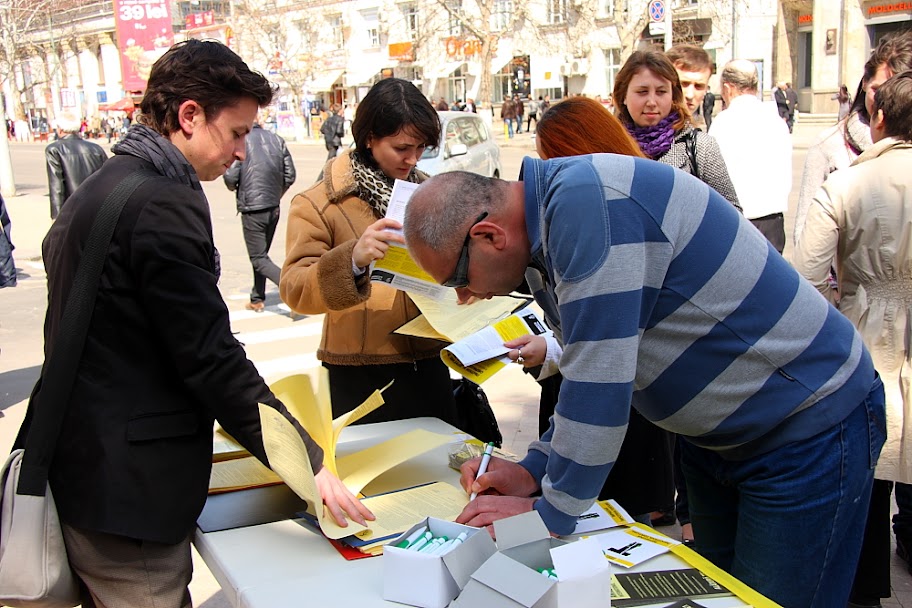
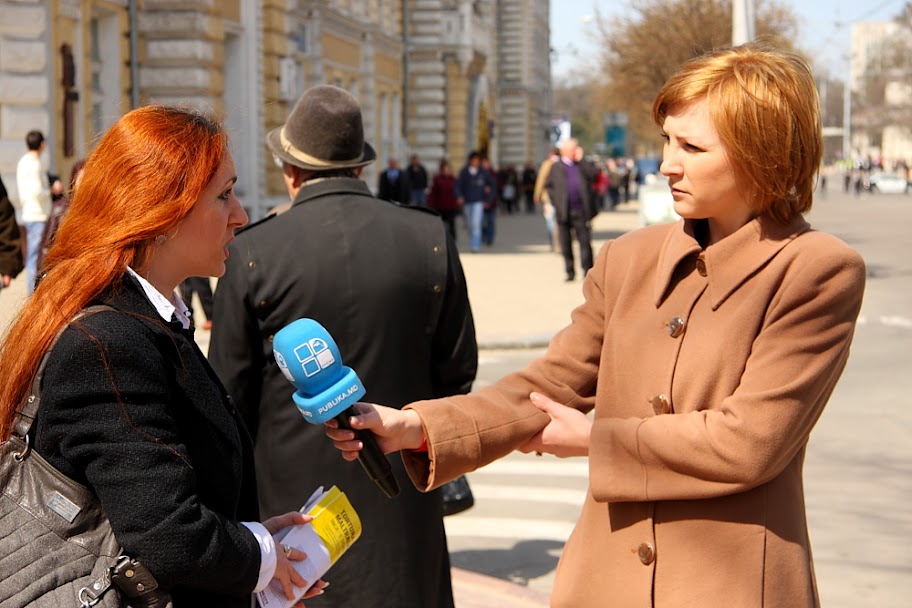

We collected signatures that were addressed to the authorities of Moldova and required the impartial and independent investigation of all the torture cases. Another petition was on an international case, as usual.
Here are some photos. © Copyright Julia Marcinschi
Subscribe to:
Posts (Atom)